

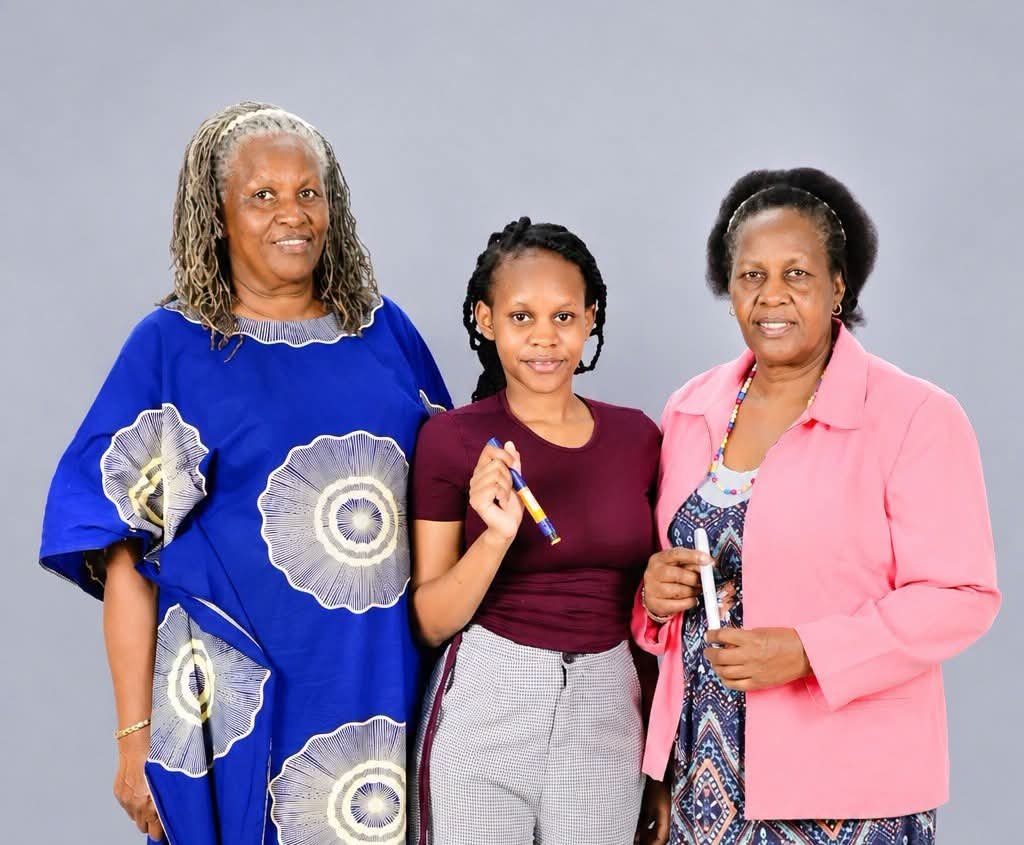
NAIROBI, Kenya | November 11, 2026 : At just eight years old, Grace Wanjiku Mbuthia was forced to confront a life-changing diagnosis that would reshape her childhood. Today, at 26, she is determined to show that living with Type 1 diabetes does not mean giving up on one's dreams.
Diagnosed in February 2008 at Kenyatta National Hospital (KNH), Wanjiku has spent nearly two decades navigating the physical, emotional and financial challenges of a condition that requires lifelong treatment.
Her journey began with persistent bedwetting, vomiting, severe weight loss and declining health. At the time of diagnosis, she weighed just 17 kilogrammes.
What initially appeared to be a common childhood illness eventually led to the discovery of Type 1 diabetes, a chronic autoimmune condition in which the body's immune system destroys insulin-producing cells in the pancreas.
For Wanjiku, the diagnosis meant learning to inject insulin, monitor blood sugar levels and manage her diet at an age when most children were focused on playing, school activities and enjoying their favourite foods.
“I wanted to eat what other children were eating,” she recalls, describing the difficulty of attending birthday parties and school trips while carrying separate meals.
A Childhood Marked by Challenges
Beyond the medical demands, Wanjiku faced misunderstanding and discrimination in school.
Although some of her early teachers accommodated her condition, her transition to boarding school proved difficult. She recalls being turned away by institutions that were unfamiliar with managing learners living with chronic conditions.
At one school, she was reportedly advised to attend a day school because the institution had never handled a student with diabetes. At another, learners with chronic illnesses, including diabetes and asthma, were reportedly told they were not welcome.
The experiences left her feeling isolated and rejected.
Her health also became more complicated during adolescence, when hormonal changes affected her blood sugar levels and resulted in repeated hospital admissions.
A move to Ngara Girls High School, where teachers and a school nurse were more supportive, helped her manage the condition. She eventually transitioned to day schooling, allowing her greater control over meals, medication and daily care.
She says her last hospital admission was in 2016.
The Financial Burden of Staying Alive
Today, insulin remains an essential part of Wanjiku's daily routine. She takes four injections at different times of the day and carefully calculates her insulin requirements according to the carbohydrates in her meals.
However, the cost of treatment remains a major challenge.
Beyond insulin, people living with Type 1 diabetes require regular access to glucose-testing strips, monitoring devices, needles and other essential medical supplies.
For families with limited financial resources, these recurring expenses can make consistent treatment difficult.
Diabetes Management International (DMI), an organisation supporting children and young people living with diabetes in Kenya, has played an important role in Wanjiku's journey by providing insulin, syringes, glucose monitors and other essential supplies.
The organisation has also advocated for improved access to affordable diabetes care.
Turning Personal Experience into Hope
Wanjiku's experiences have strengthened her determination to support others facing similar challenges.
After completing secondary school, she pursued fashion and design between 2019 and 2023. She also hopes to expand her business interests, create employment opportunities and eventually establish a foundation to help people who cannot afford diabetes medication.
Through diabetes awareness initiatives, she shares her experiences and connects newly diagnosed patients and their families with support groups and organisations that can help them access treatment.
She says meeting other children living with diabetes through DMI's support programmes helped her understand that she was not alone.
“Knowing that there were other children going through the same experience helped me realise that I was not alone,” she says.
A Family's Unwavering Support
Behind her progress is a family that has remained committed to supporting her throughout the years.
Her aunt, Mary Baaro, recalls the uncertainty and emotional difficulties that followed Wanjiku's diagnosis, particularly during periods when unstable blood sugar levels required emergency hospital visits.
Baaro says the family had to adjust its routines and priorities to ensure Wanjiku received the medication, appropriate food and medical attention she needed.
She describes her niece as resilient, positive and increasingly confident in managing her condition.
A Future Beyond the Diagnosis
As Kenya prepares to mark World Diabetes Day on November 14, Wanjiku's story highlights the importance of affordable treatment, public awareness, inclusive education and family support for people living with chronic conditions.
Her message is that a diabetes diagnosis should never become a barrier to education, personal ambition or a fulfilling life.
She hopes to grow her businesses, create opportunities for others and establish a foundation that will help people who struggle to afford insulin.
“I hope to be alive, grow my businesses, create opportunities for other people and help those who cannot afford medicine. People should not lose their lives because they cannot access insulin,” she says.
For Wanjiku, diabetes is a lifelong condition that demands discipline, resilience and continuous care. But it is not the definition of who she is.
Her story is ultimately about living with a condition without surrendering the future to it.
The Africa Plus | Health & Human Interest