Islam Could Become World's Largest Religion by 2035, Pew Study Projects
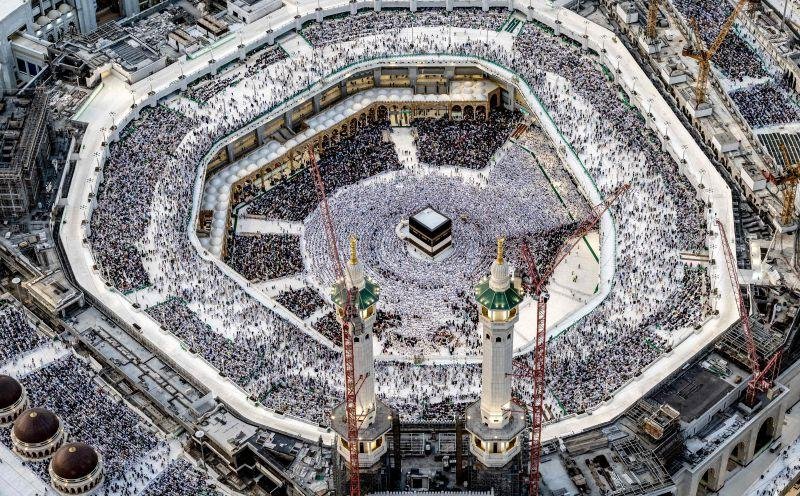
Muslim worshippers gather around the Kaaba at the Grand Mosque in Makkah, Saudi Arabia. Photo: AP / Altaf Qadri, file photograph.
TSBy TheAfricaPlus StaffNovember 19, 2026 3 min read 260 views
World · TheAfricaPlus picture desk
NEW YORK — Islam is projected to become the world's largest religious group by 2035, overtaking Christianity for the first time in modern demographic projections, according to a new global study released by the Pew Research Center on November 18, 2026. The research, titled The Future of World Religions: Population Growth Projections, 2020–2070, estimates that the global Muslim population could reach approximately 2.57 billion by 2035, compared with 2.52 billion Christians. Christianity remains the world's largest religion today, followed by Islam.
What is driving Muslim population growth? The study identifies differences in fertility rates and population age structures as the main factors behind Islam's projected growth. Between 2020 and 2025, Muslim women had an average of 3.1 children, compared with 2.5 among Christian women and 1.6 among women belonging to other religious groups. Muslim populations also tend to have younger age profiles, meaning a larger proportion of people are entering their childbearing years. Religious conversion is a much smaller factor in the projected changes than births and deaths. Pew estimates that between 2020 and 2070, religious switching will result in a net loss of approximately eight million Muslims, compared with a projected net loss of 105 million Christians.
Africa's growing role in global religion Sub-Saharan Africa is expected to play a major role in shaping the future religious landscape. The region's relatively young population and higher fertility rates are expected to contribute significantly to the growth of both Muslim and Christian communities. By 2070, more than half of the world's Christians are projected to live in sub-Saharan Africa. The Democratic Republic of Congo is also expected to become the country with the largest Christian population, with its Christian population projected to reach approximately 299 million. Nigeria is another major focus of the projections. Its Muslim population is expected to increase substantially, reaching approximately 282 million by 2070.
What could happen by 2070? The study projects that the global Muslim population could exceed 3.6 billion by 2070, representing approximately 37 per cent of the world's population. The Christian population is projected to reach just under three billion, accounting for approximately 29 per cent. These projections assume that recent demographic patterns, including fertility, mortality and religious switching, continue over the coming decades.
A changing global religious landscape The findings highlight the importance of demographic change in shaping the future of societies, communities and international relations. Researchers emphasise that the projected growth of Islam does not necessarily mean that Christianity is disappearing or that one religion is growing at the expense of the other. Both religious populations are expected to increase, although at different rates. The research offers a long-term picture of how population growth, particularly across Africa and Asia, could reshape the world's religious demographics over the next five decades. The Africa Plus+ will continue examining major demographic, social and international developments shaping the future of Africa and the wider world.
SourcesPew Research Center – The Future of World Religions, 2020–2070Pew Research – Why Islam Will Soon Be the World's Largest ReligionAssociated Press – Islam projected to surpass Christianity by 2035Reuters – Islam forecast to become world's largest religion