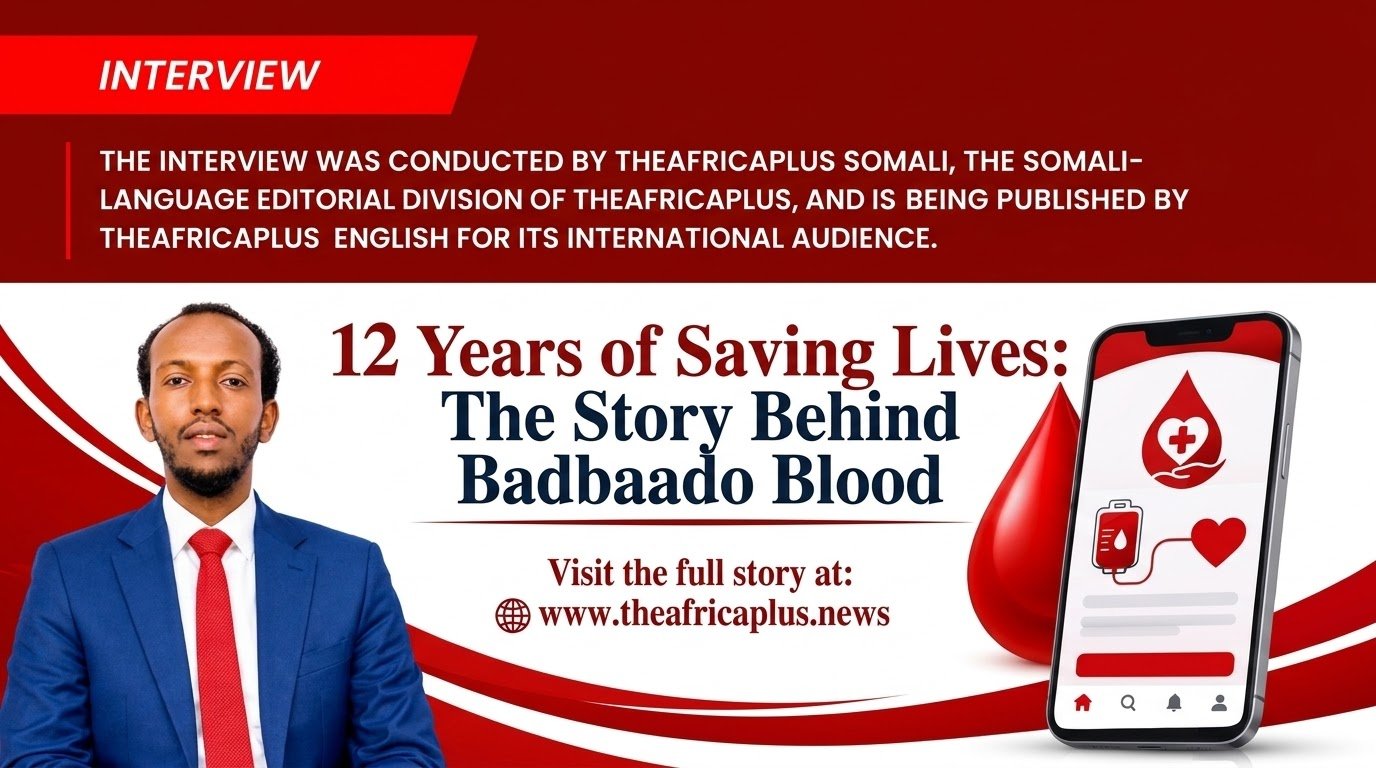
12 Years of Saving Lives: The Story Behind Badbaado Blood
Editorial Note: This interview was conducted by TheAfrica+ Somali, the Somali-language editorial division of TheAfricaPlus, and is published by TheAfricaPlus English for its international audience.
TSBy TheAfricaPlus StaffNovember 15, 2026 8 min read 180 views
Science and Technology · TheAfricaPlus picture desk
Abdilahi Shicib: “For 12 Years, I Have Worked to Find Blood for Patients in Need. Badbaado Blood Is Another Step Towards Saving Lives”
Editorial Note: This interview was conducted by TheAfrica+ Somali, the Somali-language editorial division of TheAfricaPlus, and is published by TheAfricaPlus English for its international audience.
HARGEISA (TheAfrica+ Somali) – Abdilahi Abdi Muse, widely known as Shicib, is a healthcare professional trained in medical laboratory science, with nine years of professional experience. For the past 12 years, he has dedicated himself to helping patients in need of blood, connecting them with voluntary blood donors and raising public awareness about the importance of blood donation.
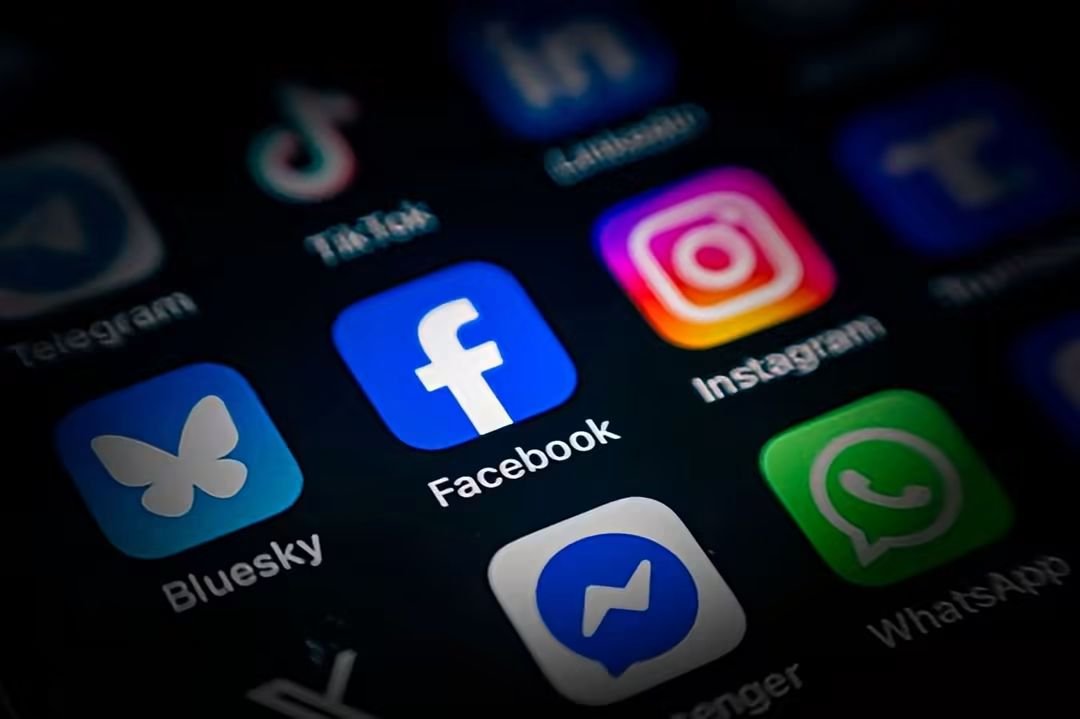
His journey began in 2014, during his final year of secondary school. What started as an effort to help individual patients gradually developed into a long-term commitment to community service, largely through direct communication and social media platforms, particularly Facebook.
Over the years, the challenges he witnessed and the growing demand for blood inspired him to establish Badbaado Blood Donation, a mobile application designed to connect patients who need blood with people willing to donate. The application is currently available on the Google Play Store and Appstore
In this interview with TheAfrica+ Somali, Abdilahi Shicib reflects on his 12-year journey, the people he has helped, the challenges of finding blood during emergencies and conflicts, and the vision behind Badbaado Blood.
“I Started This Work in 2014, During My Final Year of Secondary School” TheAfrica+ Somali: When did you begin this work, and what motivated you to get involved in helping patients find blood? Abdilahi Shicib: I started this work in 2014, when I was in my final year of secondary school. At the time, I was becoming increasingly aware of the healthcare challenges facing our communities, particularly the difficulties patients experienced when they needed blood. When I saw how difficult it was for some patients and their families to find blood at the time they needed it most, I decided that I wanted to play a part in helping them. Initially, I relied on social media, especially Facebook. Whenever someone needed blood, I would share the request, including the required blood group, the hospital where the patient was being treated, the city and a contact number for anyone willing to donate. That was how it all began. I have continued doing this work ever since. It has now been 12 consecutive years of helping patients find blood and encouraging the public to donate. Helping 405 Patients Find Blood in 2024 TheAfrica+ Somali: After so many years of doing this work, can you give us an idea of how many people you have helped?
Abdilahi Shicib: Every year, many people contact me seeking help to find different blood groups for patients in need. For example, in 2024 alone, I helped find blood for 405 patients. These patients were located in Somaliland, Somalia, Ethiopia and even countries in Asia, including Bangladesh. The requests covered all eight major blood groups: A+, A-, B+, B-, O+, O-, AB+ and AB-. Sometimes, someone contacts you late at night because a patient is in an emergency situation. You immediately begin reaching out to different people, sharing the request and waiting for responses. There are times when finding blood is relatively easy, but there are also situations when it becomes extremely difficult. What always stays in my mind is that there is a patient who needs help, and time is not on their side.
Finding Blood During Conflicts and Emergencies
TheAfrica+ Somali: You have also been involved in finding blood during periods of conflict and armed clashes. What was that experience like?
Abdilahi Shicib: During wars and clashes, the demand for blood increases significantly. In some situations, large quantities of blood are needed, covering all different blood groups. I particularly remember the fighting in the Sool region, clashes in the Awdal region and the incidents in Dacawaley. Many people were injured, and those patients needed blood.
Healthcare workers treating the injured would frequently contact me, asking for assistance in finding the different blood groups required. These situations carry a tremendous emotional and practical responsibility. You know there are injured people waiting for blood, and you understand how important it is to find suitable donors as quickly as possible. My role was to communicate those urgent needs to the wider community, hoping that anyone able to donate would come forward and help save lives.
Working Closely with Hospitals and Medical Professionals
TheAfrica+ Somali: How would you describe your relationship with hospitals and doctors across Somaliland?
Abdilahi Shicib: Alhamdulillah, I have built good relationships with many doctors and hospitals across Somaliland. Because I have been involved in this work for so many years, doctors and healthcare professionals often contact me directly whenever they need help finding blood. Sometimes the hospital contacts me, while in other cases it is the patient's family that reaches out. I first try to understand the situation, identify the required blood group and establish where the patient is being treated. I then begin looking for people who may be able to donate.
Why I Created Badbaado Blood TheAfrica+ Somali: After spending 12 years using Facebook and other social media platforms to help patients find blood, what inspired you to develop the Badbaado Blood application? Abdilahi Shicib: What inspired me was the enormous need I had witnessed throughout those years. I realised that there are many people in our communities who are willing to donate blood, but there is not always an easy way to connect them with patients who need their particular blood group, especially donors located close to the hospital where the patient is being treated. I also came to understand that relying on social media alone has several limitations. Sometimes a blood request does not reach the right people, while in other situations, a considerable amount of time is spent searching for donors and connecting them with patients. I felt there was a need for a more organised system that could bring together information about blood donors and healthcare facilities. I also recognised the importance of having a national-level blood bank system in Somaliland, so that blood supplies and requests could be managed in a more coordinated way. After years of gaining practical experience, I decided to turn what I had learned into a technological solution that could benefit the wider community. That is how the idea of Badbaado Blood was born. How Does Badbaado Blood Work?
TheAfrica+ Somali: For people who are not yet familiar with the application, how would you explain the way it works?
Abdilahi Shicib: Badbaado Blood is a mobile application designed to connect patients who need blood with people who are willing to donate. It covers all eight major blood groups. The application also includes information about hospitals in Somaliland that have blood banks. When someone needs blood, they can submit a request through the application. That request is received by the Badbaado Blood administration team, which reviews and verifies the information before approving it. Once the request is approved, a notification is sent through WhatsApp to people with the required blood group, particularly those located near the area where the patient is being treated. For example, if a patient in Hargeisa needs O-positive blood, the request can be sent to registered O-positive donors in or near that location, giving them an opportunity to respond and help the patient. The application also allows its administration team to monitor the progress of each request, follow up on responses from potential donors and establish whether the patient has ultimately received the blood they needed. Our aim is to go beyond simply publishing blood requests. We want to follow the process through and establish whether the assistance has actually reached the patient.
What Makes Badbaado Blood Different from Traditional Social Media Requests?
TheAfrica+ Somali: What are the main differences between Badbaado Blood and the traditional approach of searching for blood through social media?
Abdilahi Shicib: The biggest difference is organisation and connectivity. Previously, when someone needed blood, the request would be shared on Facebook, and the family would wait for someone with the right blood group to see the post and make contact. That approach has helped many people, but it also has limitations. Badbaado Blood is intended to transform that process into a more organised digital system. It brings together blood group information, patient requests, WhatsApp communication and the ability to monitor the progress of each request. We also want to reduce the amount of time patients and their families spend searching for donors, while making it easier for registered donors to identify where their blood group is needed.
The Vision for the Future
TheAfrica+ Somali: What are your plans for developing Badbaado Blood in the coming years?
Abdilahi Shicib: Our ambitions go beyond simply making the application available in Somaliland. We want to expand the information available on the platform to include all hospitals in Somaliland that have blood banks. This would make it easier for patients and their families to identify healthcare facilities where blood services are available. We also hope to expand the platform into neighbouring countries, particularly Ethiopia and Somalia.
Our vision is for Badbaado Blood to become a platform that connects patients, blood donors and hospitals, making it easier to find blood whenever it is needed. The application is currently available on the Google Play Store, and Appstore A Message to the Community: Donating Blood Can Save a Life
TheAfrica+ Somali: Finally, what message would you like to share with the public, particularly those who are able to donate blood?
Abdilahi Shicib: I encourage everyone to recognise blood donation as an important act of humanity and community responsibility. Anyone who is medically eligible to donate should consider doing so. We may not always know who needs blood or where they are, but there are patients in different places who depend on blood donations to survive. I particularly want to encourage young people and the wider community to understand the importance of regular blood donation. We should not wait until wars, major accidents or other emergencies occur before thinking about donating blood. Patients need blood every day, not only during major crises. Over the 12 years I have spent doing this work, one of the most important things I have learned is that sometimes a single blood donor can make the difference between life and death for another human being. That is the reason I established Badbaado Blood. I want the experience I have gained over all these years to become a system that benefits the entire community. Badbaado Blood is more than just a mobile application. It is an effort to ensure that people who need blood do not have to face the difficult search for a donor alone.